
Choosing a Puppy
If you are interested in sharing your life with an HWV puppy, the Club recommends getting to know the breed before you put yourself on a waiting list with a breeder. There is a good network of owners and breeders around the country who would be more than happy for you to visit them and their dogs, and find out first-hand what it is really like living with an HWV!
The Club also suggests visiting dog shows and working events so that you can see a wide variety of examples of the breed close up, and speak to people who may be involved in activities that you hope to do yourself. You will also be able to see the breed at a range of ages, from puppy to veteran.

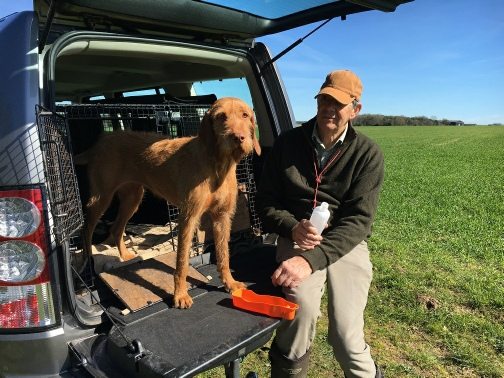

Every year the Club holds its own championship show and an open show, which are a great opportunity to see a number of Hungarian Wirehaired Vizslas under the same roof. The Club shows are a friendly place to meet and chat to like-minded people about all things HWV, and we would encourage anyone who is interested in the breed to come along. The Club offers you a warm welcome!
Advice from the HWVCGB
There is some great advice available on the Kennel Club website about choosing a breeder and a puppy, but here are some points that you may want to consider:
A good HWV breeder will have a wealth of knowledge and experience with the breed, and also of the dogs in their pedigrees. A good breeder will be aware of any health issues in their lines and will be breeding to improve on the previous generation. Any dogs used for breeding will be tested for known health issues, and a reputable breeder will care about the welfare of the puppies they have bred, providing an invaluable source of advice and support to the new puppy owner.
Do not buy a puppy from the first litter that you see, try to look at the breed as a whole. Visit some shows such as Crufts and the Club show. Find out which lines have the type and nature that appeal to you. Don’t be rushed into anything and be prepared to wait for the right puppy. Don’t forget your puppy will be a 10-12 year commitment!
Always see a puppy with its mother and try to see the whole litter. A photograph of the sire, if not the sire himself, should be available to see. A puppy should seem heavy for its size. It should smell clean, have bright and clear eyes with no discharge. Check the ears, nose and anus. These too should be clean and free from discharge.
Ask about feeding your pup, and also feeding him or her as an adult. Get a diet sheet and preferably some food to tide you over; a puppy’s diet should not be changed suddenly. Ask about worming, inoculations, insurance, KC registration, etc.

Accredited – breeders or dogs?
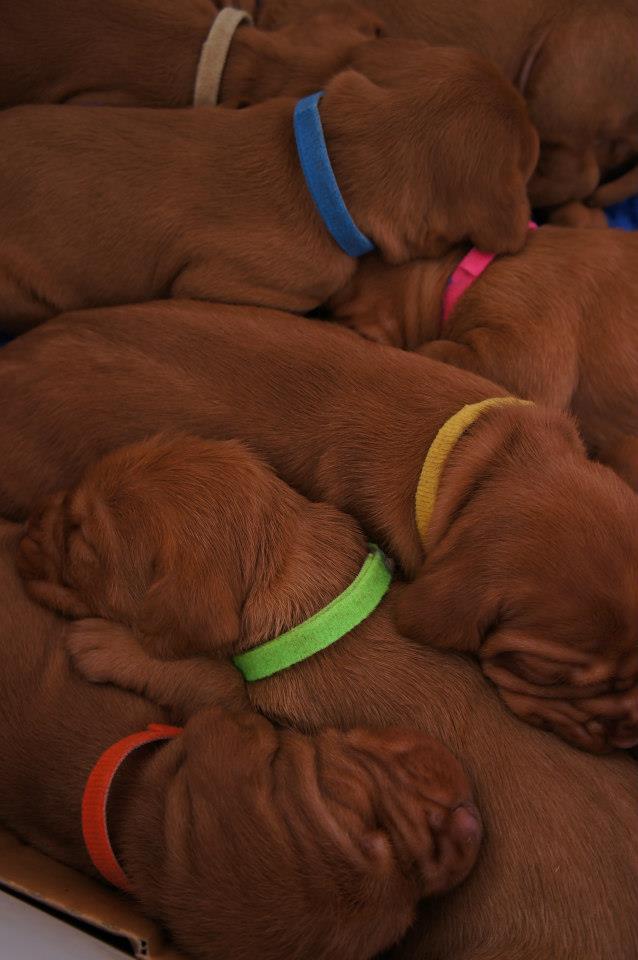
Only the breeder can be described as “accredited” or “assured”. If you see a stud dog or breeding bitch described as “accredited” be sure to ask exactly what the breeder means by this. Some breeders will choose to pay a fee to the Kennel Club to be included on their Assured Breeders Scheme, and will be listed on the KC website as such. Do be aware that choosing a breeder who is on the KC Assured Breeders Scheme does not replace careful homework and research, and you should still ask the same questions and go through the same processes that you would when using a breeder who is not part of the scheme.
Health tests
The Club advises future puppy owners to double check any claims about health testing. You can ask to see certificates, and if these are not available for whatever reason, ask for the full pedigree names of both parents so that you can look up their health test results on the Kennel Club website. You can also see health test results for dogs further back in a pedigree on the Vizsla Database. Both parents should be hip-scored, the lower the score the less likely the degree of hip dysplasia, and they should also have their HUU status tested if the result is not already known by parental heritage. Elbow scoring and eye testing are optional.
For more information on health testing, please see our pages on HWV health.
Endorsements
Your puppy will have breeding endorsements placed on it. A breeder will put breeding endorsements on their puppies to help prevent undesirable traits and health issues from being passed on in the breed. If you wish to breed from your puppy in the future, your breeder can lift the restrictions if they are satisfied that your dog, and its proposed mate, is a good example of the breed, is in good health and has had all the necessary health checks and tests. They will also check to make sure that the pedigrees you are hoping to combine are compatible.

Summary
These are just a few points to help you in the task of selecting a puppy. Thorough research is key to finding the right breeder for you, and they will be more than happy to help you and answer any questions you may have. Remember: take your time, be informed and you are likely to have a faithful friend who will become a much-loved companion.